







PERFORMANCES
November 12 at 7:30 pm |TICKETS
November 13 at 7:30 pm |TICKETS
VENUE
Seating Chart | Directions & ParkingSPONSORS

November 12 at 7:30 pm |TICKETS
November 13 at 7:30 pm |TICKETS
Aram Demirjian, conductor
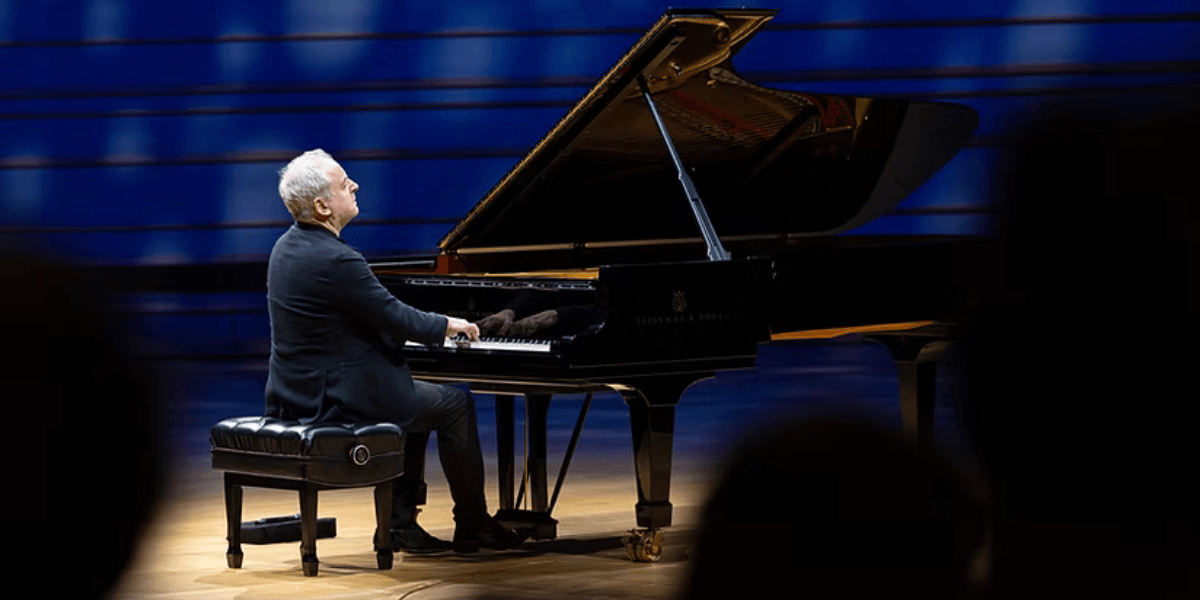
Jeremy Denk, piano
DEBUSSY: Clair de Lune (arr. Caplet)
BARTOK: Piano Concerto No. 2
MESSIAEN: L’ascension
RAVEL: Bolero
Thank you to our Masterworks Circle of Friends:
Charles Daily
Francie Elrod
Shawn & Laura White
Denise Gough
Donna Terzak
Virginia & Fred Buffum
Elizabeth Offringa
Georgiana Fry Vines
Kim Cunningham,
Dick and Lauren Dodson
Elizabeth Williams
Mary Lynn Brown
Bruce and Greer Fox
Michael Kull
Michael Torano
About the Program
The program begins with Claude Debussy’s Clair de lune and concludes with Maurice Ravel’s Boléro, framing an evening that explores connections among four composers active during a period of significant change in European music. Music Director Aram Demirjian notes that Bartók was strongly influenced by Debussy and that Ravel belonged to the generation that followed, creating a historical relationship among several of the works on the program.
Debussy’s Clair de lune originated as part of his Suite bergamasque for solo piano and has since been arranged for many different combinations of instruments. The KSO opens the concert with a 1905 orchestration by French composer and conductor André Caplet.
Pianist Jeremy Denk joins the KSO for Béla Bartók’s Piano Concerto No. 2. Bartók, himself a pianist, was the soloist at the work’s 1933 world premiere in Frankfurt. He conceived the concerto as a counterpart to his First Piano Concerto, seeking music that would be more approachable for the orchestra and audience while retaining formidable writing for the soloist. Demirjian describes the Second Concerto as one of the most technically demanding works in the piano repertoire, making Denk’s appearance a central feature of the concert.
The program continues with Olivier Messiaen’s L’Ascension, four symphonic meditations composed in 1933 and rooted explicitly in the composer’s Catholic faith. Each meditation carries its own title and accompanying Biblical text, moving through reflections on Christ, heaven, celebration, and the Ascension. Messiaen described expressing the truths of his faith as the foremost idea behind his music.
The evening concludes with Ravel’s Boléro, created at the request of dancer Ida Rubinstein. Ravel originally planned to orchestrate music from Isaac Albéniz’s Iberia, but copyright restrictions led him instead to compose an original ballet, initially titled Fandango before becoming Boléro. The work premiered at the Paris Opéra in 1928, with Rubinstein dancing the lead role.
Receive news and updates on concerts, musicians, and memorable KSO moments.